

How to Install and Maintain Your Home Solar Battery Backup System
Ensure your solar energy storage system operates efficiently, providing reliable power during outages and helping you save on energy costs.
Introduction
The demand for home solar battery backup systems has been growing rapidly as more homeowners seek energy independence, cost savings, and reliable backup power. These systems store excess solar energy generated during the day, allowing homeowners to use it at night or during power outages.
However, to fully reap the benefits, proper installation and maintenance are essential. A poorly installed or neglected home solar battery can lead to inefficiencies, reduced lifespan, and potential safety hazards.

Understanding Home Solar Battery Backup Systems
What Is a Home Solar Battery Backup System?
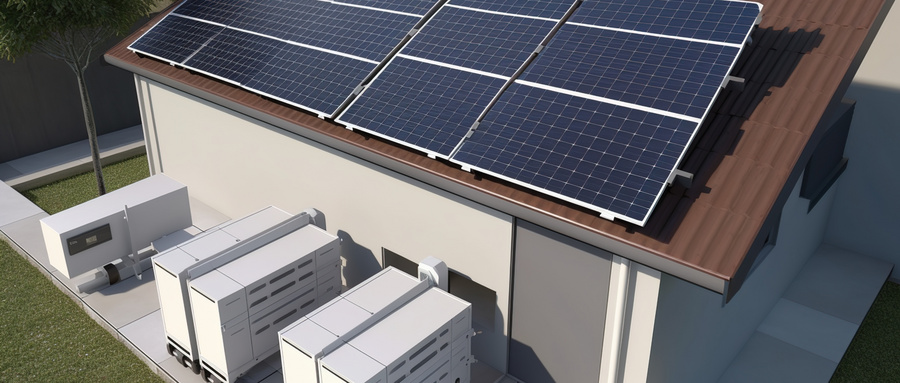
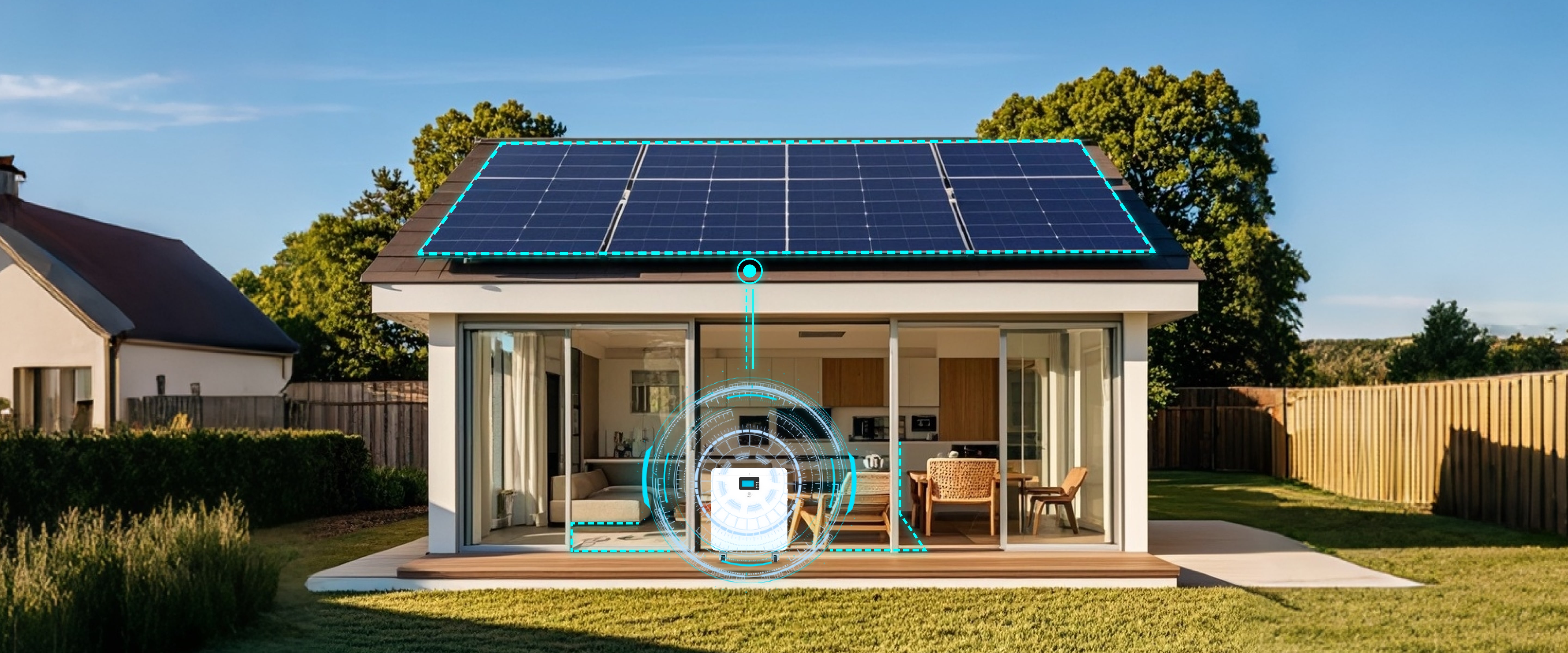
A home solar battery backup system consists of a rechargeable battery that stores surplus solar energy from your solar panels. Unlike standard solar panel systems that send excess energy back to the grid, a backup system allows you to store and use the energy when you need it most—whether during nighttime, peak electricity rates, or unexpected power outages.
These systems typically include:
- Solar Panels: Capture sunlight and generate electricity.
- Charge Controller: Regulates the flow of electricity from the solar panels to the battery.
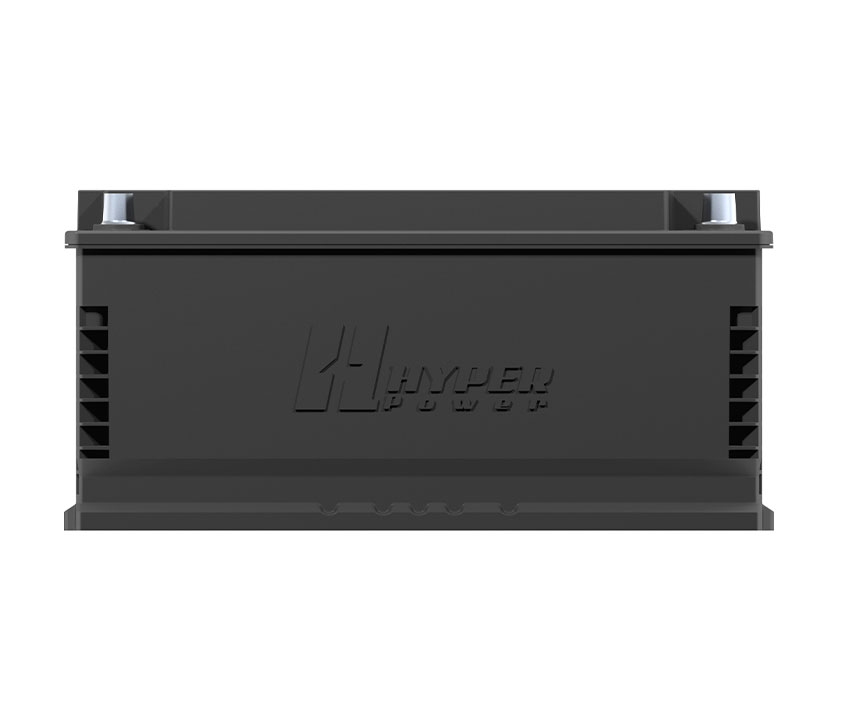
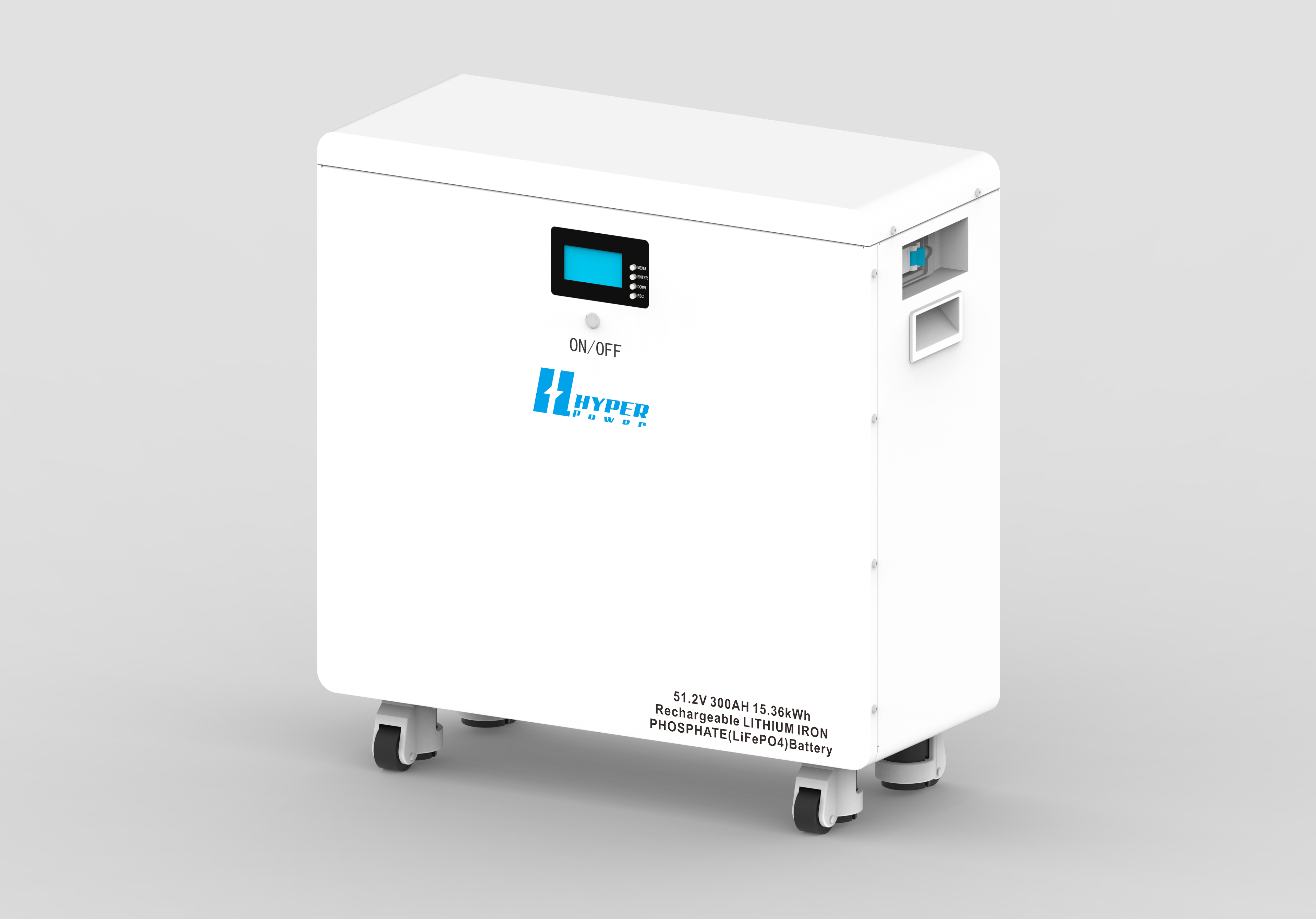
- Battery (or Battery Bank): Stores the energy for later use.
- Inverter: Converts stored DC electricity into AC power for household appliances.
- Monitoring System: Allows you to track energy production, storage levels, and consumption.
Benefits of a Home Solar Battery Backup System
Energy Independence
Reduce reliance on the power grid and utility companies.
Use stored energy during cloudy days, nighttime, or blackouts.
Emergency Backup Power
Keeps critical appliances running during outages (e.g., refrigerators, medical equipment, lights).
Provides peace of mind during natural disasters or power disruptions.
Lower Electricity Bills
Store and use your solar energy instead of buying electricity during peak hours.
Some systems allow selling excess power back to the grid (net metering).
Environmental Benefits
Reduce dependence on fossil fuels.
Lower your home's carbon footprint by using clean, renewable energy.
Increased Home Value
Homes with home solar battery backup systems are more attractive to buyers.
Some states and regions offer tax incentives and rebates for solar battery installations.
How to Install a Home Solar Battery Backup System
Step 1: Assess Your Energy Needs
Before purchasing a home solar battery, it’s crucial to determine how much energy you consume daily and how much backup power you need. Consider:
- Your average monthly electricity consumption (found on your utility bill).
- The number of appliances you want to run during an outage.
- The capacity of your solar panel system (can it generate enough excess power to charge the battery?).
For example:
If your daily electricity usage is 30 kWh, and you want 6 hours of backup power, you may need a battery with at least 15 kWh storage capacity.
Step 2: Choose the Right Home Solar Battery
Battery Types
1.Lithium-Ion Batteries (Most Recommended)
Higher efficiency (~90% round-trip efficiency).
Longer lifespan (10-15 years).
Lighter and requires less maintenance.
Higher upfront cost.
2.Lead-Acid Batteries (More Affordable)
Lower cost but bulkier.
Shorter lifespan (~5-7 years).
Requires regular maintenance (checking water levels and preventing over-discharge).
Key Factors to Consider
Capacity (kWh): How much energy the battery can store.
Power Output (kW): Determines how many appliances can be powered simultaneously.
Depth of Discharge (DoD): Higher DoD allows more usable capacity.
Warranty: Look for at least a 10-year warranty for lithium-ion batteries.
Step 3: Select an Installation Location
The battery should be installed in a well-ventilated, cool, and dry area to prevent overheating. Ideal locations include:
- Garage: Provides protection from weather conditions.
- Basement: Good for stable temperatures but must have proper ventilation.
- Outdoor Enclosure: Must be weatherproof if installed outside.
Step 4: Install the Battery and Inverter
Secure the Battery: Follow manufacturer instructions for safe mounting.
Connect to Solar Panels: Ensure correct wiring for efficient charging.
Install the Inverter: Converts DC power from the battery to AC power for home use.
Integrate with the Electrical System: Set up the circuit breaker and battery management system (BMS).
Step 5: Perform Safety Checks
Double-check all electrical connections.
Ensure no loose wires or exposed terminals.
Test backup functionality by simulating a power outage.
How to Maintain Your Home Solar Battery Backup System
1. Monitor Battery Performance
Use a mobile app or monitoring system to check battery charge/discharge cycles.
Look for unexpected drops in efficiency, which may indicate battery degradation.
2. Inspect for Physical Damage
Check for leaks, corrosion, or swelling in lead-acid batteries.
Ensure lithium-ion batteries are intact and undamaged.
3. Maintain Optimal Temperature
Ideal operating range: 50°F to 77°F (10°C to 25°C).
Install cooling systems if your area experiences extreme heat.
4. Prevent Overcharging and Deep Discharging
Set charge/discharge limits using a Battery Management System (BMS).
Overcharging can shorten battery lifespan; deep discharging can cause irreversible damage.
5. Perform Regular Backup Tests
Simulate a power outage test to ensure the battery functions as expected.
Test at least once every 6 months.

Troubleshooting Common Issues
|
Issue |
Possible Cause |
Solution |
|
Battery not charging |
Faulty solar panel wiring, inverter issues |
Inspect connections, check inverter |
|
Battery draining too fast |
High power consumption, old battery |
Reduce load, replace battery |
|
System overheating |
Poor ventilation, excessive heat |
Improve cooling, relocate battery |
|
No backup power during outages |
Incorrect settings, inverter failure |
Reset system, inspect inverter |
Conclusion
A home solar battery backup system is an excellent investment for energy security, cost savings, and environmental sustainability. However, proper installation and ongoing maintenance are crucial for ensuring longevity and peak performance.
- By following these guidelines, you can:
Select the right home solar battery for your needs.
Install the system safely and efficiently.
Keep your home solar battery backup system running at its best for years.
If you're considering installing one, now is the perfect time to invest in clean, reliable solar energy!











Blog
Maximizing Energy Independence with Home Lithium Battery Storage
How Residential Photovoltaic Energy Storage Systems Empower Sustainable Homes
Why the 12V Lithium Ion Car Battery is the Smarter Automotive Power Solution — Insights from JEJE Energy